Read the direct answer first.
The opening and TL;DR identify the immediate decision. If the symptom affects safe braking, steering, temperature, tire integrity or predictable movement, follow the safety boundary before reading further.
Use a warning, sound, leak, driving change or maintenance question to find the closest guide. Each guide gives a direct answer, comparison table, action sequence and related reading. The guides do not confirm current Collins Repair operations or service availability.
The opening and TL;DR identify the immediate decision. If the symptom affects safe braking, steering, temperature, tire integrity or predictable movement, follow the safety boundary before reading further.
Many vehicle symptoms overlap. The comparison table organizes observations without pretending that a web page can diagnose the car. The detailed sections explain what each clue can and cannot establish.
The ordered steps focus on safe observation, records and questions for a repair professional. Do not repeat a dangerous condition or touch hot, pressurized, moving or high-current components to complete a checklist.
Every guide points to one related service topic and other relevant reading. Those links explain inspection scope. They do not prove that Collins Repair currently offers the service.
Starting points: warm vents, weak cooling, frequent compressor cycling.
All automotive images in this directory are illustrative. They do not show Collins Repair staff, premises, inventory or customer work.
01
An AC recharge restores the specified refrigerant charge after the system condition is assessed. Leak repair identifies and corrects the path that allowed refrigerant to escape. If the charge is low, adding refrigerant may change vent temperature temporarily, but it does not repair the leak or explain why the system lost charge.
Read the guideStarting points: clicking turns, acceleration vibration, torn boot.
All automotive images in this directory are illustrative. They do not show Collins Repair staff, premises, inventory or customer work.
01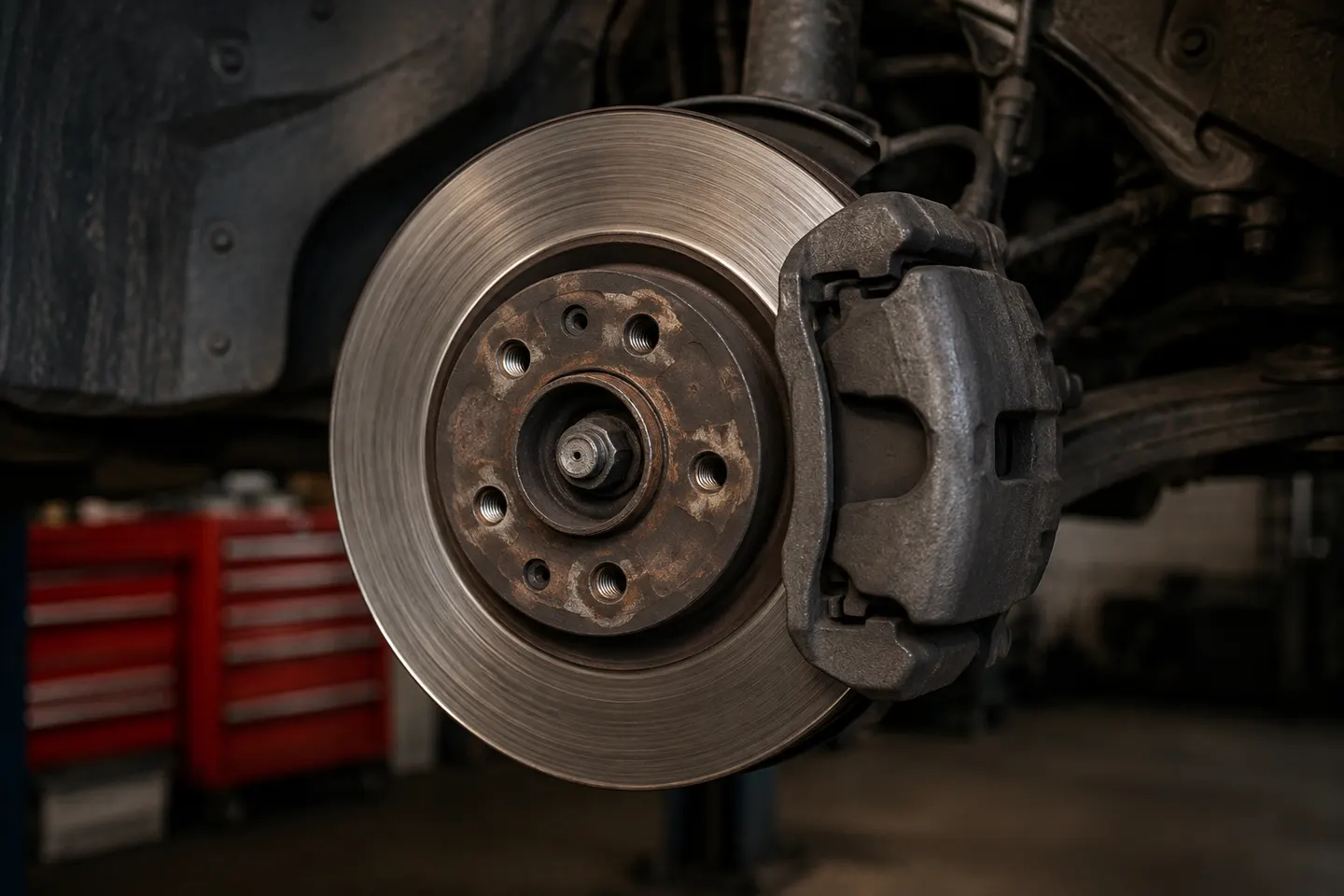
A CV joint allows the driven axle to transmit torque while operating through steering and suspension angles. A CV axle assembly commonly includes a shaft, joints, boots, and related connections. A damaged boot may expose a joint to contamination, but clicking, vibration, or grease does not by itself decide whether a joint or complete axle should be replaced.
Read the guideNo-start concerns, batteries, starters & charging.
All automotive images in this directory are illustrative. They do not show Collins Repair staff, premises, inventory or customer work.
01A battery problem cannot be separated reliably from an alternator problem by one symptom. The battery stores energy for starting, while the alternator supports electrical operation and replenishes charge while the engine runs. Testing must also include cables, belt drive, controls, starter demand, and possible electrical draw while the car is parked.
Read the guideStarting points: belt noise, visible cracking, hose seepage.
All automotive images in this directory are illustrative. They do not show Collins Repair staff, premises, inventory or customer work.
01
Replace belts and hoses according to the schedule for each exact component, verified condition, and documented history. An accessory belt, timing belt, coolant hose, vacuum hose, and fluid hose do different jobs and do not share one universal interval. Inspect damage or contamination promptly, but do not use a quick visual check to overrule vehicle-specific guidance.
Read the guideStarting points: brake squeal, grinding, reduced pad thickness.
All automotive images in this directory are illustrative. They do not show Collins Repair staff, premises, inventory or customer work.
01Brake pads provide replaceable friction material, while rotors provide the rotating surfaces the pads clamp during braking. Pad wear does not automatically prove that rotors need replacement, and a rotor concern cannot be decided from appearance alone. Inspection, measurements, surface condition, vehicle specifications, and the original braking complaint define the repair scope.
Read the guideNoise, pedal feel & stopping performance.
All automotive images in this directory are illustrative. They do not show Collins Repair staff, premises, inventory or customer work.
01Grinding brakes need prompt attention because metal contact, severe friction wear, damaged hardware, or another wheel-area fault may be present. If stopping distance, pedal feel, vehicle direction, or braking response has changed, stop driving and arrange recovery. A complete inspection should identify every affected part before repair is approved.
Read the guideA soft brake pedal can mean that the hydraulic system is not building or holding pressure as expected. Air, a fluid leak, hose expansion, adjustment, or a failing hydraulic component may be involved. If pedal travel increased suddenly, the pedal sinks, or stopping changed, do not drive and arrange recovery.
Read the guideCabin temperature, airflow & refrigerant service.
All automotive images in this directory are illustrative. They do not show Collins Repair staff, premises, inventory or customer work.
01A car AC blowing warm air can involve low refrigerant from a leak, compressor or electrical control, condenser airflow, cooling fans, temperature sensors, air-mix doors, or weak cabin airflow. A recharge is not a complete diagnosis. Record when cooling changes, then use service equipment matched to the vehicle refrigerant and system design.
Read the guideA car heater blowing cold air can involve low coolant, a leak, engine temperature control, poor circulation through the heater core, trapped air, an air-mix door, blower airflow, or electronic controls. Check for an overheating warning first. Never open a hot cooling-system cap, and do not idle in an enclosed space to test cabin heat.
Read the guideStarting points: warning light, rough running, reduced power.
All automotive images in this directory are illustrative. They do not show Collins Repair staff, premises, inventory or customer work.
01A flashing check engine light should be treated as urgent. Ease off the accelerator, move to a safe stopping place, shut the engine off, and arrange assistance, especially if the engine shakes, loses power, smells unusual, or overheats. The flashing lamp can accompany an active misfire, but testing is needed to identify its cause.
Read the guideA steady check engine light can appear even when the car seems to run normally because the vehicle monitors emissions, sensors, circuits, leaks, and operating conditions that a driver may not feel. Read the owner’s manual, preserve the code information, and arrange diagnosis. Stop sooner if the lamp flashes or performance changes.
Read the guideA code scan retrieves stored information from vehicle control systems. A diagnostic test uses the complaint, scan data, inspection, circuit or mechanical checks, and service information to identify the cause. A code can guide the next test, but it does not prove that the component named in its description has failed.
Read the guideStarting points: service due, unknown coolant, discolored fluid.
All automotive images in this directory are illustrative. They do not show Collins Repair staff, premises, inventory or customer work.
01Coolant flush and coolant exchange are service labels that can describe different equipment and procedures. Neither name defines exactly what is drained, circulated, cleaned, or refilled. Ask for the vehicle-specific method, coolant specification, systems included, and reason for service. Diagnose overheating, contamination, or coolant loss before routine maintenance is treated as the repair.
Read the guideStarting points: coolant puddle, falling level, sweet odor.
All automotive images in this directory are illustrative. They do not show Collins Repair staff, premises, inventory or customer work.
01A car leaking coolant may have a hose, radiator, cap, reservoir, water pump, heater, connection, or internal engine concern. Park safely, switch off if temperature rises, and keep away from steam. Never open a hot pressure cap. Record the leak location and warning behavior, then arrange testing before assuming a top-up made the car safe.
Read the guideStarting points: service interval due, contaminated lubricant, drivetrain history unknown.
All automotive images in this directory are illustrative. They do not show Collins Repair staff, premises, inventory or customer work.
01A transfer case distributes drive within certain four-wheel-drive or all-wheel-drive layouts, usually between front and rear driveline paths. A differential allows connected wheels or driveline outputs to rotate at different speeds while transmitting torque. Vehicle designs vary, so noise, binding, leakage, or a warning must be traced before either unit is named as the cause.
Read the guidePerformance, warning lights & overheating.
All automotive images in this directory are illustrative. They do not show Collins Repair staff, premises, inventory or customer work.
01An engine knocking noise can come from abnormal combustion, low or lost oil pressure, excessive bearing clearance, piston slap, valvetrain trouble, a loose accessory, or another part transmitting sound through the engine. Stop the engine for a loud new knock, oil-pressure warning, overheating, smoke, or sudden power loss, then arrange diagnosis.
Read the guideA car can lose power when accelerating because the engine lacks correct fuel, air, ignition, compression, or exhaust flow, or because the transmission and driveline do not transfer power as expected. Warning behavior and the exact relationship between engine speed and road speed help separate these paths before parts are replaced.
Read the guideLeaks, noise, rust, hangers & emissions faults.
All automotive images in this directory are illustrative. They do not show Collins Repair staff, premises, inventory or customer work.
01A sudden loud exhaust noise can come from a leaking engine connection, joint, flex section, pipe, muffler, loose heat shield, failed hanger, or impact damage. If fumes enter the cabin, move to fresh air. Stop if a component drags, smoke appears, or the vehicle becomes unsafe to operate.
Read the guideA rotten-egg or sulfur-like smell may involve fuel quality, rich combustion, ignition or engine-control faults, emissions-system operation, or an overheating battery. Smell alone does not prove the catalytic converter failed. Move to fresh air if odor enters the cabin, avoid enclosed-space idling, and stop if smoke, severe rough running, unusual heat, or a flashing warning appears.
Read the guideStarting points: rough idle, misfire, poor acceleration.
All automotive images in this directory are illustrative. They do not show Collins Repair staff, premises, inventory or customer work.
01Fuel injection service is not automatically necessary for every vehicle at the same interval. Check the exact maintenance schedule and separate routine care from diagnosis of rough running, hard starting, poor acceleration, a warning light, or a change in fuel economy. Ask what finding or manufacturer procedure supports cleaning, testing, or repair and how the result will be verified.
Read the guideOil specification, filter, leaks & warning lights.
All automotive images in this directory are illustrative. They do not show Collins Repair staff, premises, inventory or customer work.
01
Change your car’s oil according to the maintenance schedule for its exact model year, engine, oil specification, and driving conditions. Use the oil-life monitor when the manufacturer assigns it that role, while still observing any time requirement. A universal mileage rule cannot account for every engine, trip pattern, or service schedule.
Read the guideIf the oil pressure warning appears while the engine is running, move to a safe stopping place and switch the engine off. Do not continue driving or assume an oil change will fix it. Low oil level, actual pressure loss, a blocked path, component wear, or a sensor circuit can trigger the warning.
Read the guideStarting points: temperature warning, steam, heat rises in traffic.
All automotive images in this directory are illustrative. They do not show Collins Repair staff, premises, inventory or customer work.
01When a car overheats, turn off the air conditioner, move safely out of traffic, shut the engine off, and keep the pressurized cooling system closed until it is fully cool. Steam, rapid coolant loss, or a temperature warning can signal conditions that make continued driving unsafe and can increase engine damage.
Read the guideStarting points: fluid condition, service interval, steering noise.
All automotive images in this directory are illustrative. They do not show Collins Repair staff, premises, inventory or customer work.
01Power steering fluid service depends on the vehicle’s steering design and manufacturer guidance. Hydraulic and electro-hydraulic systems may use specified fluid and an inspection or service procedure; fully electric steering has no hydraulic fluid to exchange. Identify the system first, then use its schedule, history, and condition instead of a universal mileage interval.
Read the guideStarting points: used vehicle, condition review, repair planning.
All automotive images in this directory are illustrative. They do not show Collins Repair staff, premises, inventory or customer work.
01A pre-purchase car inspection should confirm the vehicle identity, compare records with condition, check safety and major systems, scan available control data, and document defects before money changes hands. It cannot guarantee future reliability or reveal every hidden fault. Arrange an independent inspection and review the written findings in the context of the sale.
Read the guideSchedules, inspections, fluids & service history.
All automotive images in this directory are illustrative. They do not show Collins Repair staff, premises, inventory or customer work.
01A useful car maintenance checklist begins with the schedule for the exact vehicle, then adds tire, fluid, brake, battery, visibility, and safety checks based on current condition. Treat warning lights, leaks, noises, or changed operation as diagnostic concerns. They should not be hidden inside a routine maintenance package.
Read the guideStarting points: excessive bounce, fluid leakage, unstable ride.
All automotive images in this directory are illustrative. They do not show Collins Repair staff, premises, inventory or customer work.
01Possible bad shock or strut symptoms include repeated body motion, reduced control over bumps, fluid leakage from the damper, noise, uneven tire wear, or a changed ride. None is conclusive alone. Tires, pressure, alignment, springs, mounts, joints, and brakes can overlap, so the vehicle needs inspection before replacement is selected.
Read the guideStarting points: scheduled interval, worn electrodes, misfire concern.
All automotive images in this directory are illustrative. They do not show Collins Repair staff, premises, inventory or customer work.
01Replace spark plugs according to the maintenance schedule for the exact vehicle, engine, and specified plug. No universal mileage or time interval fits every design. If plugs foul, wear unexpectedly, or the engine misfires before scheduled service, diagnose ignition, fuel, air, wiring, and mechanical causes instead of assuming that replacement alone will solve the problem.
Read the guideStarting points: single click, no crank, intermittent engagement.
All automotive images in this directory are illustrative. They do not show Collins Repair staff, premises, inventory or customer work.
01A car that clicks but will not start may have a discharged or weak battery, excessive resistance in a cable or ground, a starter-circuit fault, a failed starter, or mechanical resistance. Rapid clicks and a single click guide testing differently, but neither sound identifies the failed part without electrical checks.
Read the guidePulling, clunks, ride quality & control.
All automotive images in this directory are illustrative. They do not show Collins Repair staff, premises, inventory or customer work.
01A car clunking over bumps may have looseness or contact in suspension, steering, strut mounts, sway-bar links, brakes, exhaust supports, underbody panels, or cargo. Sound location alone can mislead because the body carries vibration. Remove loose items, record the trigger, and arrange inspection before replacing a strut or joint from the noise alone.
Read the guideStarting points: scheduled interval, unknown history, belt-area noise.
All automotive images in this directory are illustrative. They do not show Collins Repair staff, premises, inventory or customer work.
01Replace a timing belt according to the schedule for the exact engine, model year, time, mileage, and operating conditions stated by the manufacturer. No universal interval applies. If reliable replacement documentation is missing, treat the history as unknown and plan from the applicable schedule and the consequences of overdue service. Appearance or continued operation cannot establish remaining belt life.
Read the guidePressure, punctures, tread, rotation & fitment.
All automotive images in this directory are illustrative. They do not show Collins Repair staff, premises, inventory or customer work.
01A tire losing air slowly may have a tread puncture, leaking valve or valve core, bead leak, wheel damage, or sidewall damage. Temperature can also change pressure, but repeated loss at one position needs inspection. Inflate only to the vehicle placard, look for visible damage, and do not drive on a tire that cannot support the vehicle safely.
Read the guideA tire can be repaired only after it is removed and inspected to confirm a repairable tread-area injury, sound inner liner, acceptable damage path, and no disqualifying low-pressure or structural damage. A plug pushed in from outside does not complete that inspection. Sidewall, shoulder, large, irregular, or structurally damaging injuries often require replacement.
Read the guideShifting concerns, leaks & fluid service.
All automotive images in this directory are illustrative. They do not show Collins Repair staff, premises, inventory or customer work.
01Transmission slipping often feels like engine speed rising without the expected increase in road speed, delayed engagement after selecting a gear, or an unexpected change in power delivery. These signs need diagnosis because fluid condition, controls, clutches, bands, pressure, or another driveline fault can create overlapping behavior.
Read the guideStarting points: scheduled maintenance, unknown history, fluid condition.
All automotive images in this directory are illustrative. They do not show Collins Repair staff, premises, inventory or customer work.
01Your car may need transmission fluid service when its vehicle-specific maintenance information calls for it or when a qualified inspection supports it. The correct fluid, level procedure, transmission type, and service method must match the vehicle. Slipping, grinding, or loss of drive should be diagnosed before routine maintenance is selected.
Read the guideStarting points: temperature instability, circulation concern, coolant leak.
All automotive images in this directory are illustrative. They do not show Collins Repair staff, premises, inventory or customer work.
01The water pump moves coolant through the engine and cooling circuit; the thermostat opens and closes a coolant flow path as coolant temperature changes. Either can contribute to overheating, but the gauge cannot identify which part failed. Coolant level, leaks, fan operation, temperature pattern, circulation evidence, and internal engine condition must be considered before replacement.
Read the guidePulling, off-center steering & uneven wear.
All automotive images in this directory are illustrative. They do not show Collins Repair staff, premises, inventory or customer work.
01A car can pull to one side because of tire pressure or construction, uneven wear, alignment, steering or suspension damage, brake drag, or road slope. A braking-only pull differs from constant drift. Treat a sudden or severe pull as a control concern. A hot or noisy wheel can signal a separate tire, bearing, or brake problem.
Read the guideA steering wheel that sits off center while the car travels straight can follow an alignment change, tire or suspension work, road impact, worn steering parts, or incorrect centering during service. Confirm the pattern on ordinary roads without releasing the wheel. Sudden change, poor tracking, damage, or a warning light requires prompt inspection.
Read the guide