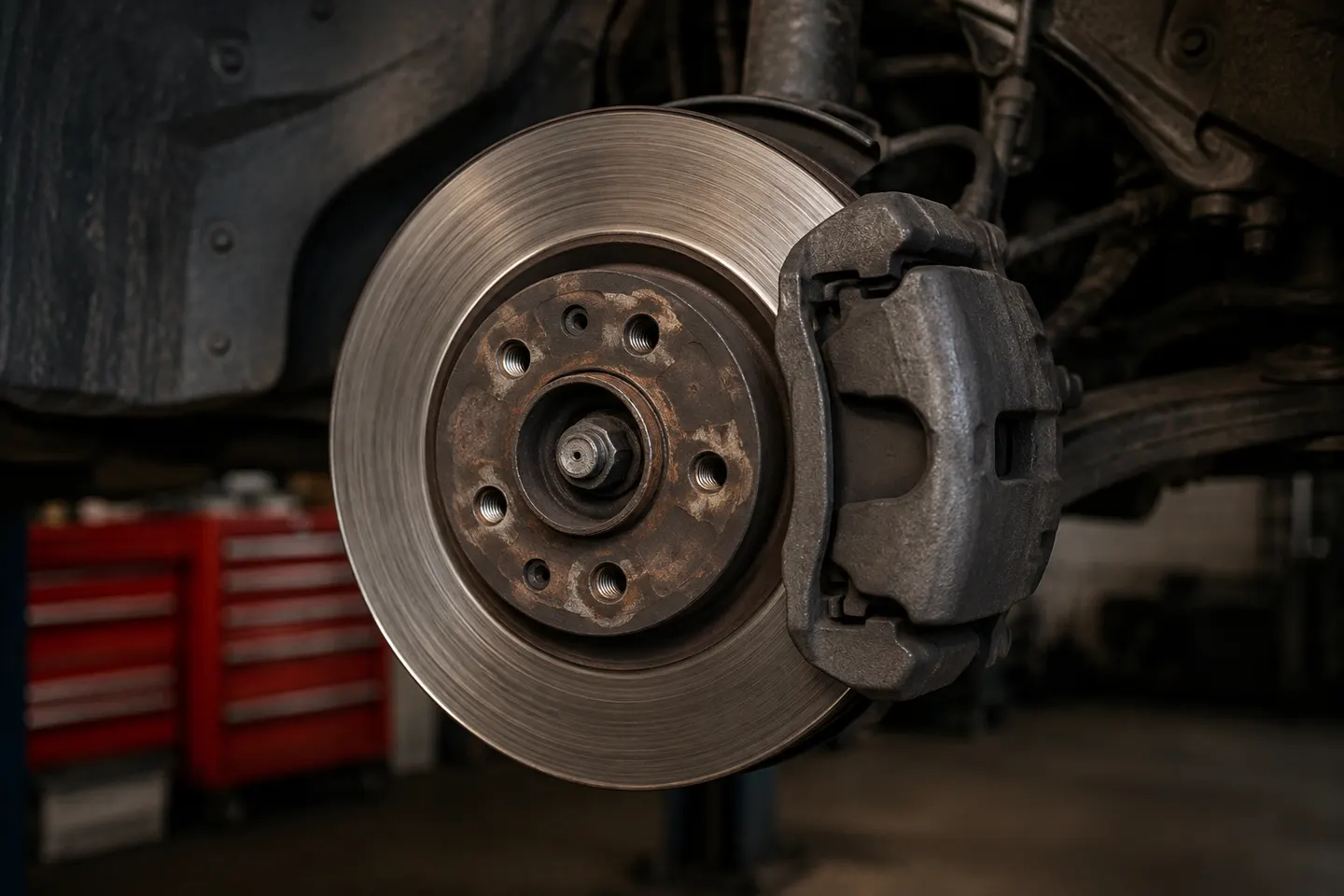
- Inspect tires, wheels, steering, suspension, ride height, and impact evidence before using geometry measurements to choose an adjustment.
- Organize the known details about the direction and road condition of any pull, steering-wheel position, tire wear and pressure history, and recent impact or parts replacement so gaps remain visible.
- Compare the findings with unequal tire pressure, tire construction or wear, brake drag, loose suspension parts, and road crown before settling on the work.
- The approved scope should identify pre-alignment tire and suspension checks, measured geometry, available adjustments, steering-wheel centering, and a final condition report in concrete terms.
- A complete invoice should document the procedure used to review before-and-after measurements, steering-wheel position, vehicle response, and unresolved tire or part limitations.
Which results matter before wheel alignment is approved?
For wheel alignment, read each row as a link between the evidence, its possible meaning, and the next proportionate action.
| Finding or situation | What it can mean | Useful next step |
|---|---|---|
| Vehicle pulls | Tires, brakes, road surface, or geometry may matter | Check basic conditions before adjustment |
| Steering wheel is off center | Geometry or steering setup may have changed | Inspect for damage and measure alignment |
| Uneven tire wear | Pressure, rotation, parts, or geometry can contribute | Read the pattern with service history |
| Recent suspension repair | Geometry may need resetting | Confirm parts are tight and adjustable |
| Vibration at speed | Balance, tire, wheel, bearing, or driveline can matter | Do not assume alignment is the cure |
How should wheel alignment be evaluated?
Connect the customer's description of pulling to one side with the components actually used on this vehicle. From there, choose checks that can separate the likely causes.
Describe pulling to one side
Record the direction and road conditions of any pull, steering-wheel position, tire pressures and wear, recent impacts, and replaced steering or suspension parts. Note whether the concern changes with road crown or braking, without deliberately recreating unsafe steering behavior.
Confirm the exact vehicle configuration
Decode the vehicle configuration and verify any equipment that affects the procedure. Available adjustments, driver-assistance calibration needs, ride-height requirements, and measurement targets differ by vehicle. Apply the specified method to measured wheel geometry before deciding the scope for pre-alignment tire and suspension checks.
Inspect before changing the original condition
Check tire pressures and condition, wheel damage, steering and suspension joints, ride height, loading, and signs of recent collision or repair. Record uneven wear, looseness, and visible damage before adjustment so the alignment measurements reflect the vehicle’s incoming condition.
Separate unequal tire pressure from tire construction or wear
Measure wheel geometry only after tire, wheel, steering, and suspension conditions are understood. Compare the results with tire-related pull, brake or bearing influence, road crown, and steering-wheel position before deciding which adjustments are appropriate.
Approve the scope and define verification
List the preliminary checks, measured angles, available adjustments, steering-wheel centering, and any calibration requirement in the work order. The completion report should include before-and-after measurements and clearly identify tire, brake, steering, or suspension issues that remain.
Which findings can support wheel alignment?
Clues such as pulling to one side, an off-center steering wheel, uneven tire wear, changed response after an impact, and geometry concerns after suspension work help set priorities for testing. Document the circumstances in which pulling to one side first appeared and its relationship to the direction and road condition of any pull. Road crown, wind, tire differences, or brake drag can cause a pull even when alignment measurements are within the applicable range.
What should be checked before the scope is set?
Begin with correct tire pressures and an inspection of tire wear, wheel condition, steering and suspension joints, ride height, and recent impact clues. Loose or damaged parts can make alignment measurements unreliable and must be addressed before adjustment.
What else can explain pulling to one side?
Unequal tire pressure, tire construction or wear, brake drag, loose steering or suspension parts, and road crown can all influence a pull. Vibration more often points toward a tire, wheel, bearing, or driveline check. The report should state which conditions were tested and which remain unresolved before geometry is adjusted.
What should the written estimate identify?
The work order should describe pre-alignment tire and suspension checks, measured geometry, available adjustments, steering-wheel centering, and a final condition report and cite the supporting condition. Create a separate authorization step for anything that cannot be evaluated at the present access level.
What can remain unresolved after wheel alignment?
Adjustment cannot repair a bent wheel, damaged tire, loose joint, bent suspension part, brake drag, or fixed geometry outside the repairable range. If the driver still experiences pulling to one side, revisit the conditions behind measured wheel geometry. Compare that evidence with unequal tire pressure and tire construction or wear before proposing a second repair.
How should the original concern be rechecked?
Compare the before-and-after alignment measurements, confirm steering-wheel centering, and reassess the original pull or handling concern under appropriate conditions. Document any tire, brake, suspension, road-crown, or fixed-geometry limitation that remains.
When should the vehicle stop being driven?
Avoid driving if steering is loose or binding, a tire is damaged or rubbing, or impact damage makes wheel position uncertain. Do not inspect beneath an unsupported vehicle or place hands near a rotating wheel. After a severe impact or sudden steering change, have the vehicle checked before continuing normal driving.
 Illustrative image
Frequently asked questions
Does a pull or off-center steering wheel prove that alignment is out?
No. Tire pressure, tire construction or wear, brake drag, loose steering or suspension parts, wind, and road crown can affect vehicle direction. Inspect those conditions and measure wheel geometry before deciding whether adjustment is appropriate. The measurement report should document the result.
Should the vehicle be aligned before worn steering or suspension parts are repaired?
No. Loose or damaged parts can prevent reliable measurement and allow wheel geometry to change again after adjustment. Inspect and repair the confirmed condition first, then measure and adjust the vehicle using the correct ride-height, loading, and calibration procedure. Keep the final measurement report.
Which tire, road, impact, and steering details should I report?
Provide tire pressures and wear, the direction and road conditions of any pull, steering-wheel position, recent impacts, and steering or suspension repairs. Note whether braking, wind, or road crown changes the behavior. Those details help interpret geometry measurements and identify tire, brake, bearing, or loose-part influences.
Does the quote include preliminary checks and before-and-after measurements?
The quote should include tire and wheel condition, steering and suspension inspection, ride-height or loading requirements, geometry measurements, available adjustments, steering-wheel centering, and any calibration need. The completion report should show before-and-after results and identify tire, brake, road-crown, damage-related, or fixed-geometry limitations that remain.
How do I confirm an appointment after an impact or suspension work?
Contact Collins Repair with the vehicle identification, recent impact or parts history, tire condition, steering-wheel position, and pull or wear pattern. Ask whether preliminary inspection and alignment measurement are currently available. Confirm operating status, appointment timing, and arrival instructions, and mention looseness, rubbing, or severe steering change before driving to the visit.
Key takeaways
- Check tire pressure, tire condition, wheels, steering joints, suspension parts, and recent impact evidence before adjustment.
- Repair confirmed loose or damaged parts before relying on alignment measurements.
- Compare the measured angles with tire pull, brake drag, road crown, and the original handling complaint.
- Keep the before-and-after report and document any remaining tire, part, or fixed-geometry limitation.
- Use a direct Collins Repair response to confirm wheel-alignment availability and arrival instructions.
Sources and vehicle references
Use the owner’s manual and vehicle-specific service information for your exact model, engine and equipment.
Confirm before making plans.
Current Collins Repair operations and this service have not been independently verified. Use the published phone or email to ask whether the business is operating, whether the service is available for your vehicle and where the vehicle should arrive.